Endorsement: Coverage you can add
Personal Injury Protection: The No-Fault Coverage Your State May Write Into Your Policy
PIP pays your own injury costs after a crash, whoever caused it. Whether you must carry it, can reject it, or are simply offered it depends on the state where the car is insured.
By PolicyBrook Editorial Team Updated 6-minute read
Declarations
Personal injury protection- What it pays
- Your own injury losses
- Depends on fault?
- No
- Who sets the minimum
- State law
- Shown on the dec page as
- Limit per person
In brief
Personal injury protection (PIP) pays medical bills, part of lost income and certain other losses for you and others your policy covers after a car accident, no matter who was at fault. It is broader than Part B medical payments, which covers medical and funeral costs only. State law decides whether PIP is required (Florida: $10,000), included unless you reject it in writing (Texas, Arkansas, Maryland) or only offered (Washington). Your declarations page shows the limit, any deductible and options such as Michigan's medical level.
What PIP adds to the standard policy
The standard personal auto policy has two parts that deal with injuries. Part A, liability, pays other people when you are legally responsible for their injuries. Part B, medical payments, pays reasonable medical and funeral expenses for you, your family members and your passengers, up to a small limit, whoever caused the crash. PIP goes further than Part B: besides medical care, it usually pays a share of lost income, the cost of services you can no longer do yourself, and benefits to survivors.
PIP is called first-party coverage because you claim it from your own insurer. In states that call themselves no-fault, PIP is the coverage that pays first, and the state limits lawsuits for pain and suffering in exchange. In other states PIP is an extra layer of benefits that the law makes insurers include or offer. Because each state writes its own PIP rules, the wording in your policy follows the statute of the state where the car is insured. The table below uses facts from our state rules pages.
| State | PIP rule | Minimum benefit |
|---|---|---|
| Florida | Required (no-fault) | $10,000 per person |
| New York | Required (no-fault) | $50,000 per person |
| Minnesota | Required (no-fault) | $40,000 per person: $20,000 medical, $20,000 other losses |
| Michigan | Required; you pick a medical level | Unlimited unless you choose a lower level |
| Kentucky | Included unless you reject the no-fault limits | $10,000 per person |
| Oregon | Required | $15,000 for medical expenses |
| Texas | Included unless rejected in writing | $2,500 per person |
| Maryland | Included unless waived in writing | $2,500 |
| Washington | Must be offered; rejection in writing | Set by the statute and the form |
Required, rejectable or offered
Required
Florida, New York, Minnesota, Michigan, Oregon, Delaware, Utah and New Jersey are among the states where every policy must carry PIP. You can change how much you buy, or add a deductible where the state allows it, but you cannot remove it.
Included unless you reject it
In Texas and Arkansas, PIP comes with a new policy unless the named insured rejects it in writing. Maryland includes at least $2,500 unless the first named insured signs a waiver, which binds the household until withdrawn in writing.
Offered
Washington's RCW 48.22.085 makes insurers offer PIP on every new or renewed policy. A named insured may reject it in writing, and the rejection carries forward until someone asks for PIP in writing.
Some states tie PIP to your right to sue. Kentucky limits suits for pain and suffering to more serious injuries unless you file the state's rejection form, and rejecting gives up PIP from any source unless you buy it back. In New Jersey, the declarations page shows a lawsuit option next to PIP. Read your state's page before you sign any rejection or waiver.
How PIP shows on the declarations page
PIP appears as its own coverage line, usually with a limit per person and the premium for each car. The line may also carry choices the state allows. Oregon lets insurers offer a deductible of up to $250 on some benefits. New Jersey's Standard policy lists PIP limits from $15,000 per person up to $250,000 or more, usually with a $250 deductible and a 20% co-payment on medical bills between the deductible and $5,000. Michigan shows the medical level the named insured chose, and the unlimited level applies if no choice was made.
If you rejected or waived PIP, the line is blank or marked as rejected, and the insurer keeps your signed form. In Texas the written rejection carries over to renewals, and you can ask for the coverage back at any time. Compare the line with the rest of the declarations page each time a renewal arrives.
When PIP pays and when it does not
- Pays: reasonable medical expenses after a car accident, up to the limit, for the people your policy and your state's law cover, whoever caused the crash.
- Pays: part of lost income. Oregon's minimum is 70% of lost income, up to $3,000 a month for 52 weeks, if you are disabled at least 14 days.
- Pays: in many states, replacement services and death or funeral benefits; Florida adds a $5,000 death benefit.
- Does not pay: damage to any car or property, or injuries to people outside your policy; those go to Part A or Part D.
- Does not pay past its own rules: in Florida, care must begin within 14 days of the crash, and medical benefits stop at $2,500 if a qualified provider finds no emergency medical condition.
Worked example: a Florida crash
Florida's PIP pays 80% of reasonable, medically necessary care and 60% of lost income, up to $10,000 per person in total. Say you are hurt in a crash, your medical bills come to $6,000 and you lose $2,000 of income. PIP pays 80% × $6,000 = $4,800 for care and 60% × $2,000 = $1,200 for income, $6,000 in all. That is under the $10,000 limit. The other $1,200 of medical bills and $800 of income are left for your health plan, other coverage or a claim against the driver at fault.
Now say the medical bills reach $14,000. Eighty percent is $11,200, which is above the limit, so PIP pays $10,000 and stops; there is nothing left for lost income. The remaining $4,000 of bills is outside PIP. Any deductible you chose comes off before these figures, and a finding of no emergency medical condition would cap the medical part at $2,500.
The same crash in Minnesota would draw on a different structure: $20,000 for medical expense and a separate $20,000 for income loss and other non-medical losses. The $14,000 of bills would sit under a $20,000 medical limit instead of a shared $10,000 one, and Minnesota's own rules decide how much of each bill is paid.
Who needs more than the minimum
- Find your state's rule. Start on the state rules map; it decides whether you choose a limit, a medical level or whether to keep the coverage at all.
- Check your health plan. Deductibles, networks and coordination rules decide how much of a crash your health insurance would pay. New Jersey lets you make your health insurer primary for PIP medical bills, but not with Medicare or Medicaid.
- Count lost income. If you could not work for months, the income benefit matters as much as the medical limit.
- Think about passengers. PIP often follows people riding in your car, who may have no coverage of their own.
- Read before you reject. A written rejection usually lasts until you revoke it, and in some states it changes your right to sue.
Policyholder questions
Is PIP the same as medical payments coverage?
No. Both pay regardless of fault, but medical payments covers medical and funeral costs only, while PIP usually also pays lost income and other losses set by state law.
Does PIP pay if I caused the accident?
Yes. PIP pays your covered losses whoever caused the crash, up to its limit and subject to your state's rules and the policy's exclusions.
Can I turn down PIP?
Only where your state allows it. Texas and Arkansas accept a written rejection, Maryland a signed waiver and Washington a written rejection; Florida, New York, Minnesota and Oregon require PIP on every policy. See your state on the state rules map.
Why does my PIP line show a deductible?
Some states let insurers offer PIP deductibles, such as up to $250 on certain benefits in Oregon. The deductible lowers the premium and comes off each claim before PIP pays.
Sources
- Florida Statutes (2025), § 627.736 — Required personal injury protection benefits
- Minnesota Statutes, Section 65B.44 — Basic economic loss benefits
- Michigan DIFS — Choosing PIP medical coverage
- Oregon Revised Statutes, Chapter 742 — ORS 742.520 and 742.524, personal injury protection
- Texas Department of Insurance — Auto insurance guide
- Maryland Insurance Article §19-506 — Waiver of personal injury protection
- RCW 48.22.085 — Personal injury protection, offer and rejection
- Kentucky Department of Insurance — No-fault rejection form NF 1 (9/22)
- New Jersey Department of Banking and Insurance — Auto insurance buyer's guide 2026
Facts on this page were checked against these sources on November 15, 2026. State figures come from the statutes and regulator guides cited on each state rules page; your policy and your state's PIP form decide who is covered and how claims are paid.
Request policy quotes
Answer six questions about the policy you need. PolicyBrook passes the request to licensed insurance agents and insurers who can quote it; you compare and decide.
- The policy you need. Cars, drivers, coverage and ZIP.
- Your contact details and consent to be contacted.
- A licensed insurance agent or insurer contacts you with a quote. Nothing is bound until you sign and pay.
PolicyBrook is not paid by you. The licensed insurance agents and insurers who contact you set their own prices and terms. How we make money.
Related readings
-
Policy part
Medical payments (Part B)
Medical and funeral bills for you, family and passengers, per person, for services within 3 years.
-
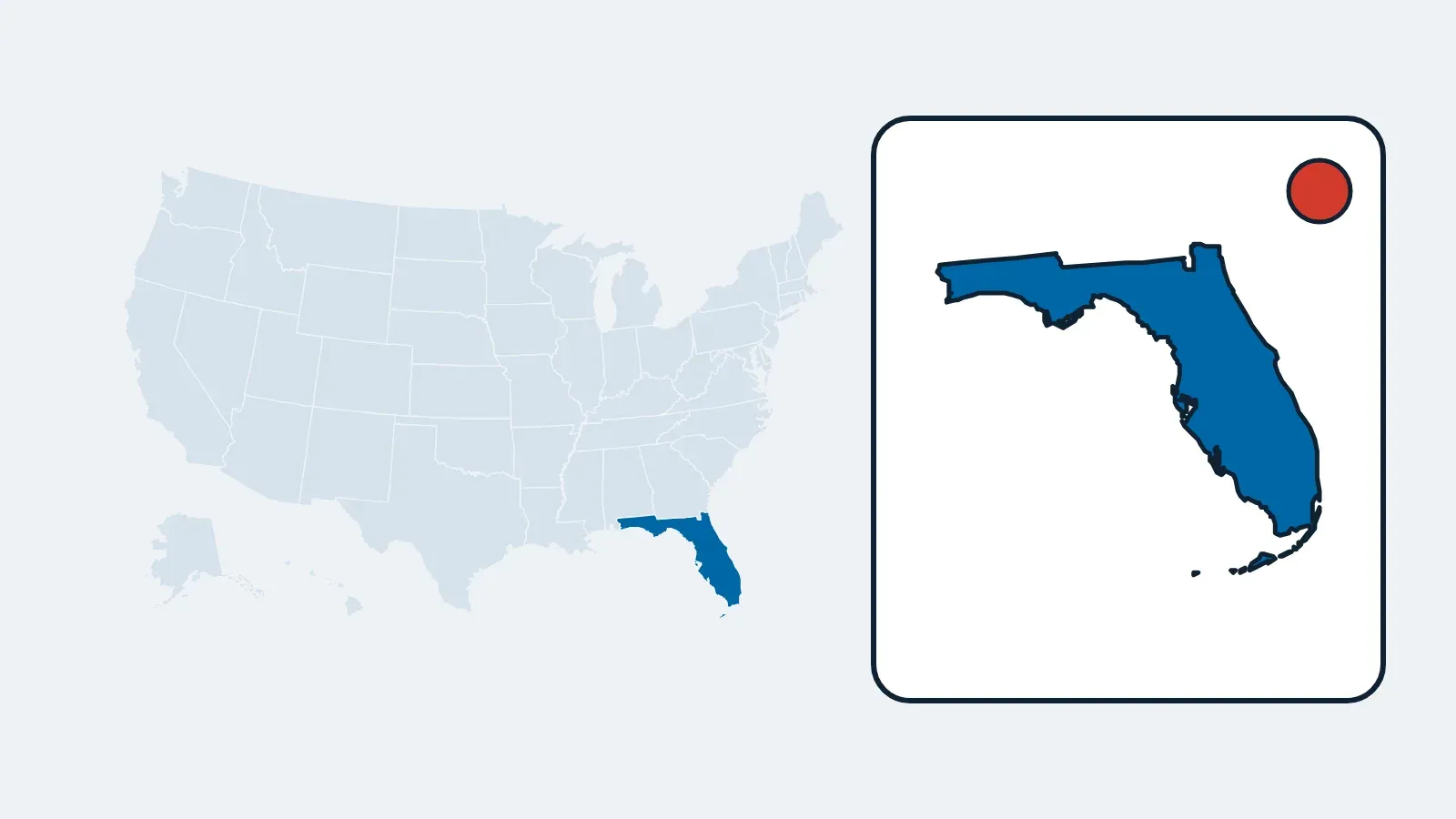
State
Florida
$10,000 PIP and $10,000 property damage; UM unless rejected on a signed form; 45 days to cancel or nonrenew.
-
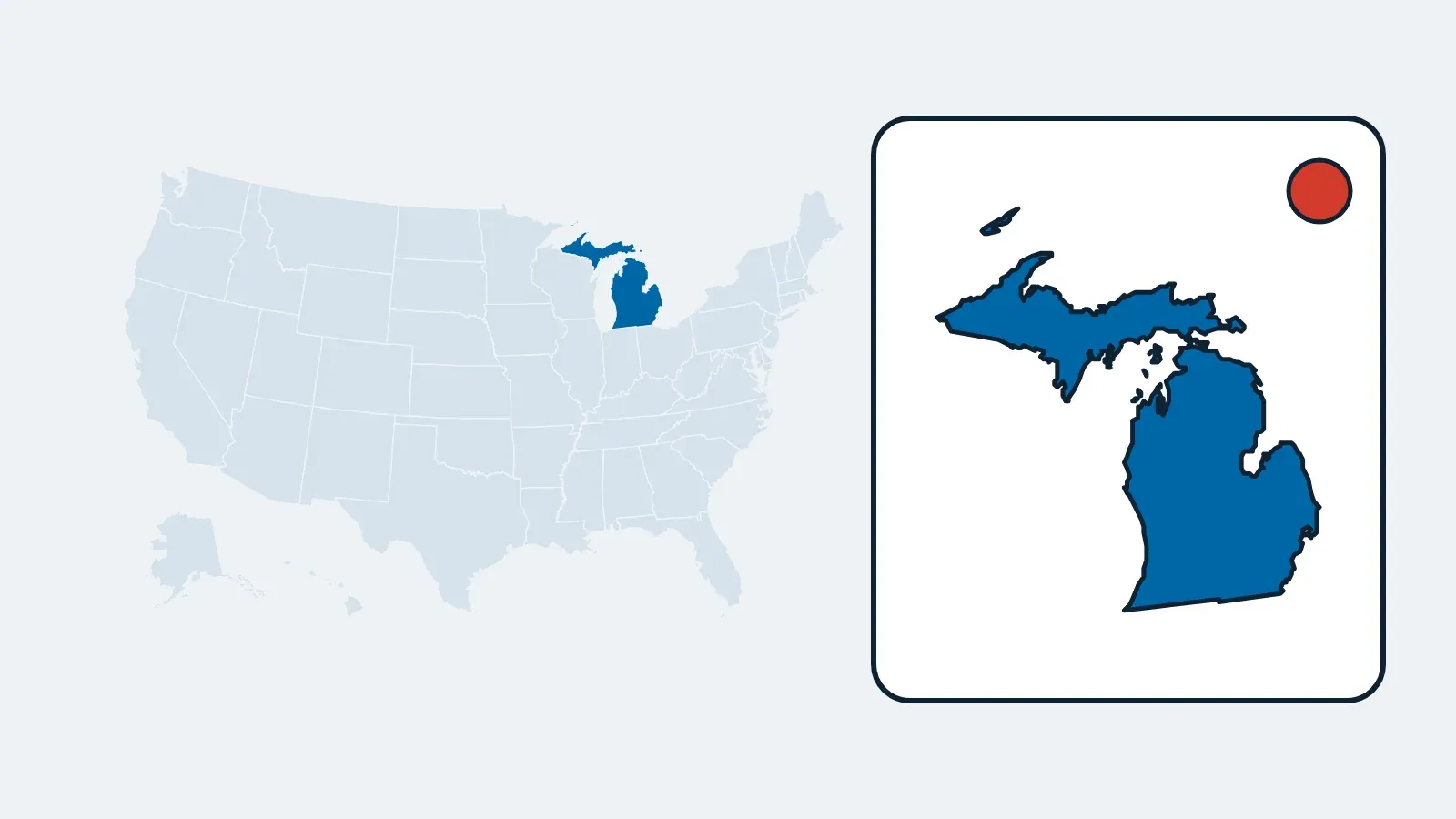
State
Michigan
250/500/10 default (50/100 by signed form); PIP level by choice; UM optional; 20 days to cancel or nonrenew.