Endorsement: Coverage you can add
Full Glass Coverage: When a Cracked Windshield Costs You Nothing
Glass damage is normally a comprehensive claim with your comprehensive deductible. A full glass endorsement, or a state law, takes that deductible away for glass. Here is how to tell which applies to you.
By PolicyBrook Editorial Team Updated 5-minute read
Declarations
Full glass coverage- What it changes
- Glass deductible to $0
- Needs which coverage
- Comprehensive
- Built in by state law
- Florida, Kentucky, S.C.
- Arizona
- Insurers must offer it
In brief
Under the standard personal auto policy, glass breakage is an other-than-collision (comprehensive) loss, so your comprehensive deductible applies. Full glass coverage is an endorsement that removes that deductible for glass claims. In three states the law does it without an endorsement: Florida (windshields, § 627.7288), Kentucky (glass-only claims, KRS 304.20-060) and South Carolina (safety glass, § 38-77-280). Arizona requires insurers to offer it as an option. None of these rules helps a car that has no comprehensive coverage.

Where glass sits in the standard policy
Part D of the widely used ISO form lists glass breakage as a loss other than collision. That puts a cracked windshield under your comprehensive coverage, with its deductible, whatever broke the glass: a stone from a truck, hail or a falling branch. If the glass breaks in a collision, the form lets you choose to treat the glass as part of the collision loss, so you do not pay two deductibles for one crash.
If a chip repair or even a full replacement costs less than your comprehensive deductible, the policy pays nothing for it. Full glass coverage, sold by some insurers as an add-on, changes that one point: for a glass claim, the deductible is $0. One regional insurer, for example, sells a $0 deductible on glass claims that waives the comprehensive deductible. The Idaho Department of Insurance notes that glass coverage typically includes windshields, windows and sunroofs, usually goes with comprehensive, and may carry its own deductible.
States where the law removes the glass deductible
In the states below, a statute already does what the endorsement would do, as long as the car carries the physical damage coverage the rule attaches to. Each rule covers a different set of glass, so read the details.
| State | Rule | Statute |
|---|---|---|
| Florida | The deductible does not apply to windshield damage on a policy with comprehensive coverage | Fla. Stat. § 627.7288 |
| Kentucky | Glass-only claims under comprehensive are paid without any deductible; covers windshield, door and window glass, required light lenses and camera recalibration when the glass is replaced | KRS 304.20-060 (amended 2024) |
| South Carolina | No physical damage deductible applies to automobile safety glass | S.C. Code § 38-77-280(B) |
| Arizona | Insurers with comprehensive coverage must offer a no-deductible option for safety glass; you choose it | A.R.S. § 20-264 |
Kentucky's 2024 changes apply to policies issued or renewed on or after April 2, 2024. They also say an insured with a glass claim cannot be required to use a particular repair shop to get paid, while still allowing insurers to keep a network of shops. Florida's rule is narrower: it names the windshield, so a broken side window can still be subject to the deductible. Other states may have rules we have not confirmed in a statute; check your state's page and your policy.
How it shows on the declarations page
A purchased full glass endorsement appears either as its own coverage line for the car or as a note next to comprehensive, such as a separate glass deductible of $0, with the form listed by number at the end of the declarations page. In Florida, Kentucky and South Carolina you may see no separate line at all, because the state rule is part of the comprehensive coverage itself. In Arizona, the option shows only if you chose it.
If a car carries liability only, there is no comprehensive line and no glass coverage of any kind, even in the states above.
When it pays and when it does not
- Pays: repair or replacement of covered glass after a comprehensive loss, without the deductible, on a car with comprehensive coverage.
- Pays in Kentucky: recalibrating driver assistance cameras and sensors when a glass replacement requires it.
- Does not pay: glass on a car without comprehensive coverage.
- May not waive the deductible: for glass damaged together with the body in a crash. Kentucky's rule covers claims for glass only, and an endorsement may be written the same way.
- Does not extend: to parts the form or statute does not name. Florida's rule covers the windshield only.
Worked example: a chip, then a crack
Say your comprehensive deductible is $500. In March a stone chips the windshield, and the repair costs $120 (an illustration). Without full glass coverage, $120 is below the deductible, so the policy pays $0 and you pay $120. With full glass coverage, the policy pays the full $120.
In August the chip spreads, and the windshield has to be replaced and the camera behind it recalibrated, for $1,150 in all. Without full glass coverage, the policy pays $1,150 − $500 = $650 and you pay $500. With it, or under Kentucky's rule, the policy pays $1,150. Over the year, full glass coverage saves you $120 + $500 = $620 in out-of-pocket costs, which you can compare with what the endorsement adds to your premium.
Who needs it
- Check your state first. In Florida, Kentucky and South Carolina the deductible rule is already built in for the glass the law names.
- Look at your comprehensive deductible. The higher it is, the more glass claims fall below it.
- Think about your car. Windshields with cameras and sensors cost more to replace because of recalibration.
- Think about your roads. Highway driving behind trucks and gravel roads mean more chips.
- Price the endorsement. Ask your insurer what it adds per car per term and compare it with one replacement at your deductible.
If you live in one of the three states with a built-in rule, an endorsement adds little for the glass the statute already covers. It can still matter for glass the statute leaves out, such as a side window in Florida, so compare the endorsement's list of covered glass with your state's rule.
Policyholder questions
Does a windshield claim raise my premium?
That depends on the insurer's rating rules, which the policy itself does not spell out. Ask your insurer how it counts glass claims before you file.
Can I choose my own glass shop?
In Kentucky, the law says an insurer cannot require you to use a particular glass shop to be paid. In other states, read your policy and ask your insurer before work begins.
Does full glass coverage include side windows and the sunroof?
Usually the endorsement covers more than the windshield, but each form lists the glass it covers. Florida's statute covers windshields only; Kentucky's covers windshield, door and window glass and required light lenses.
What if glass breaks in a collision?
The standard form lets you treat the broken glass as part of the collision, so one deductible applies to the crash. See Part D.
Sources
- Florida Statutes (2025), § 627.7288 — Comprehensive coverage; deductible not to apply to motor vehicle glass
- Kentucky Revised Statutes 304.20-060 — Coverage for motor vehicle glass (effective April 2, 2024)
- Kentucky Acts 2024, chapter 27 (SB 29) — Motor vehicle glass claims
- South Carolina Code, Title 38, Chapter 77 — § 38-77-280, collision and comprehensive coverage
- Arizona Revised Statutes § 20-264 — Damaged safety equipment deductible optional
- Idaho Department of Insurance — Optional auto coverages (glass)
- PropertyCasualty360 (FC&S) — Personal Auto Policy, Part D: glass breakage
- Pekin Insurance — Auto coverage enhancements ($0 deductible on glass claims)
Facts on this page were checked against these sources on November 15, 2026. Only states whose glass deductible rule we confirmed in the statute are named; your policy and your state's law decide what glass is covered.
Request policy quotes
Answer six questions about the policy you need. PolicyBrook passes the request to licensed insurance agents and insurers who can quote it; you compare and decide.
- The policy you need. Cars, drivers, coverage and ZIP.
- Your contact details and consent to be contacted.
- A licensed insurance agent or insurer contacts you with a quote. Nothing is bound until you sign and pay.
PolicyBrook is not paid by you. The licensed insurance agents and insurers who contact you set their own prices and terms. How we make money.
Related readings
-

Policy part
Damage to your auto (Part D)
Collision vs other than collision, non-owned autos, $20-a-day transport, exclusions and actual cash value.
-
State
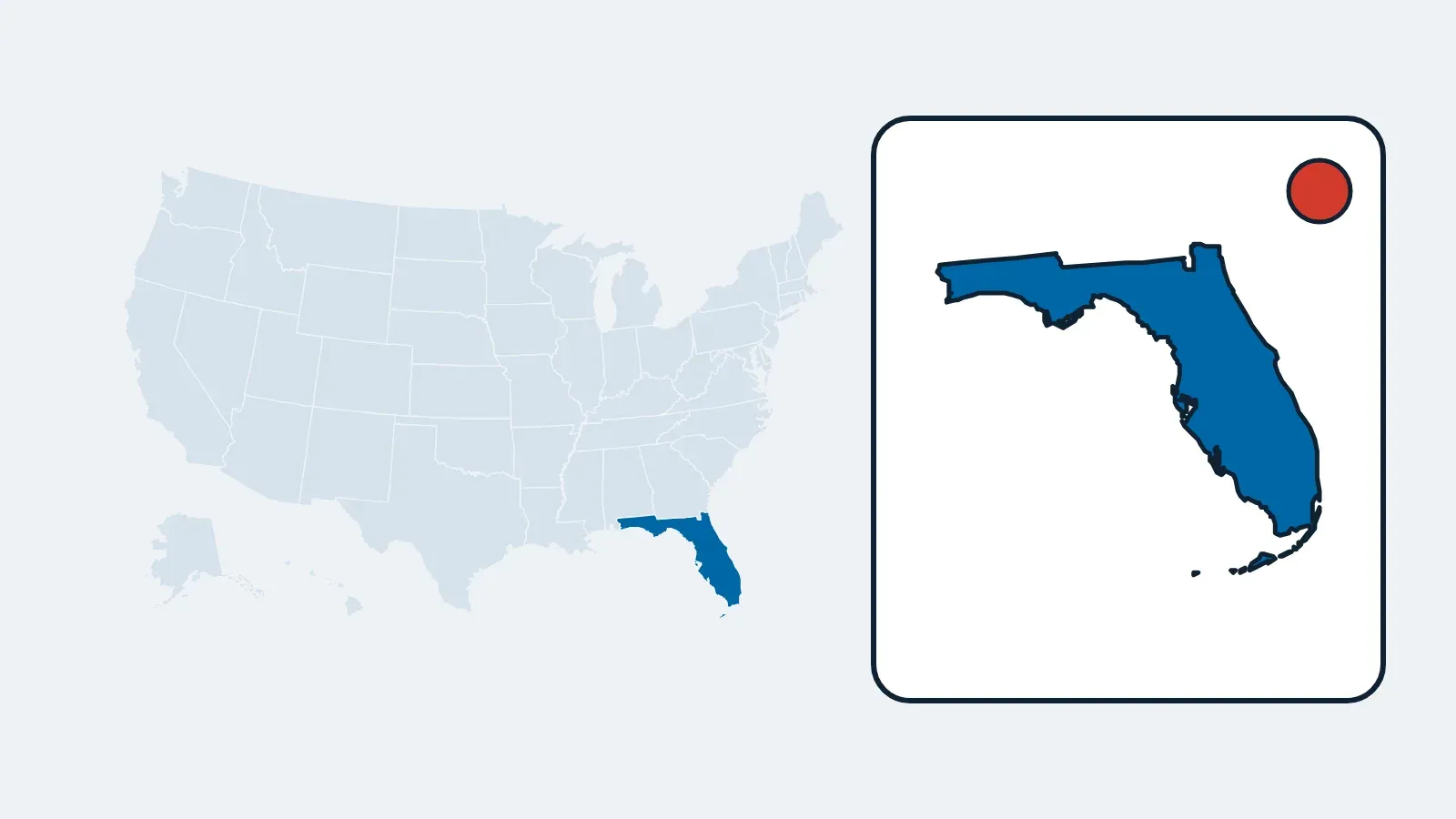
Florida
$10,000 PIP and $10,000 property damage; UM unless rejected on a signed form; 45 days to cancel or nonrenew.
-
State
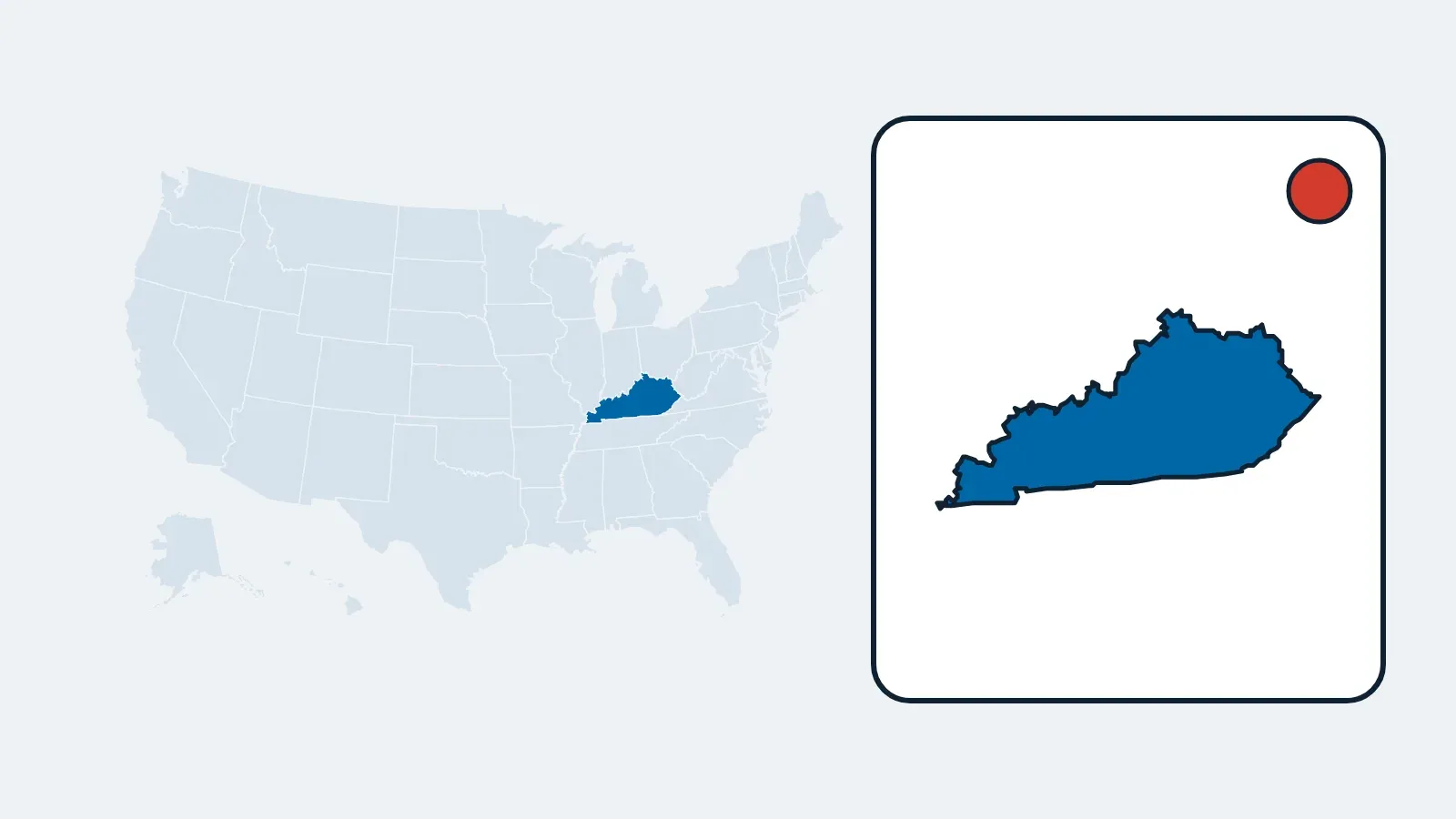
Kentucky
25/50/25 and $10,000 PIP; UM unless rejected in writing; 20 days to cancel (14 nonpayment), 75 to nonrenew.